

Freelancer Website, AI
Do Freelancers Really Need a Website in 2026? (Yes — Here’s What’s Changed)
23
Jul
Jul
Do Freelancers Really Need a Website in 2026?
In 2026, freelancing looks very different than it did even a few years ago.
Clients don’t just browse social media or marketplaces anymore. They search on Google, ask AI tools for recommendations, and look for signals they can trust before they ever book a call.
That’s where a website comes in — not as a “digital business card,” but as your home base. A place you control, shape, and use to attract the right kind of work instead of chasing every lead.
If you’re wondering whether freelancers really need a website in 2026, this guide will show you what’s changed — and how a simple site can make your work easier, not more complicated.
Quick Answer: Do Freelancers Need a Website in 2026?
Yes. A website helps freelancers build trust, show proof of work, get found through Google and AI search tools, and control their brand without relying on algorithms or marketplaces.
Top 5 Reasons Freelancers Need a Website
- Trust: Clients can verify you’re real and professional.
- Visibility: You can show up in Google results and AI recommendations.
- Control: Your website isn’t affected by platform rule changes.
- Proof: Your portfolio, testimonials, and case studies live in one place.
- Better leads: Clear messaging filters out low-fit clients.
Why So Many Freelancers Still Rely on Platforms
Marketplaces, social platforms, and referrals can absolutely bring work. But most freelancers who rely only on them eventually run into the same issues:
- You don’t control how you’re ranked or shown
- Fees reduce what you actually earn
- Algorithms change without warning
- Your profile looks similar to everyone else’s
The biggest challenge isn’t visibility — it’s control.
A website gives you a space where:
- You decide how your work is presented
- You choose what clients see first
- You guide people toward the kind of projects you want
What’s Different in 2026: How Clients Find Freelancers Now
Today, many clients use:
- Google search
- AI assistants
- Business directories
- Recommendations from tools like ChatGPT and Gemini
These systems look for real websites with clear information, structure, and credibility signals — not just social profiles.
A website helps you show:
- What you do
- Who you help
- How to work with you
- Proof that you’re real and reliable
This matters more than ever in a world where AI-generated content and fake profiles are common.
1. Your Website Builds Trust Before You Ever Talk
Most clients make a decision about you in under a minute.
A simple, clean website can quietly answer the questions they’re already asking:
- Is this person legitimate?
- Do they work with people like me?
- Can I understand what they offer?
You don’t need a flashy design. You need clarity:
- What you do
- Who it’s for
- How to get in touch
That alone can set you apart from freelancers who only send profile links.
2. You Own Your Presence — Not a Platform
Social networks and freelance marketplaces can change the rules overnight. Your website doesn’t.
When freelancers really need a website, it’s often because they’ve experienced:
- A suspended account
- Lower rankings
- Sudden drops in visibility
With your own site, you control:
- Your domain
- Your content
- Your contact system
- Your reputation
3. Your Portfolio Works Even When You’re Not
A website lets you show your work in context — not just as a list of links or screenshots.
You can explain:
- The problem a client had
- What you did
- What changed because of your work
This helps clients understand your thinking, not just your output.
If you’re planning a simple site, this step-by-step guide walks through what freelancers should expect from the process: How to Hire a Freelance Web Designer: Costs, Process & What to Expect in 2026
4. You Become Easier to Find — Not Just Easier to Scroll Past
A website gives you a chance to show up when people search for things like:
- “freelance copywriter for coaches”
- “virtual assistant for real estate”
- “web designer for small businesses”
You don’t need advanced SEO to benefit. You just need:
- Clear service descriptions
- A simple About page
- A contact page
- One or two helpful blog posts that answer real questions
If you want to go deeper into how SEO fits into small business websites, this guide explains it in plain language: WordPress SEO Services for Small Businesses & Freelancers
5. It Filters Out the Wrong Clients
This is one of the most underrated benefits.
A website lets you:
- Set expectations
- Explain how you work
- Show your pricing style or process
- Clarify who you’re best suited for
That means fewer “budget shoppers” and more people who already understand your value before they reach out.
6. Your Website Supports AI Search and Recommendations
In 2026, AI tools don’t just list freelancers — they summarize and recommend them.
They look for:
- Clear service pages
- Structured content
- FAQ sections
- Real contact information
A website gives AI systems something solid to reference — which increases the chance you’re mentioned when someone asks, “Who should I hire for this?”
7. Getting Started Without Overcomplicating It
You don’t need a big site to get value. A simple, focused website should include at the very least Core pages.
So What Exact Pages Should a Freelance Website Include?
- Home: what you do + who you help + your main call-to-action
- About: your story + credibility + why you’re the right fit
- Services: clear offers + outcomes + what’s included
- Portfolio / Samples: proof of quality (and context, if possible)
- Contact: easy way to reach you (form + email)
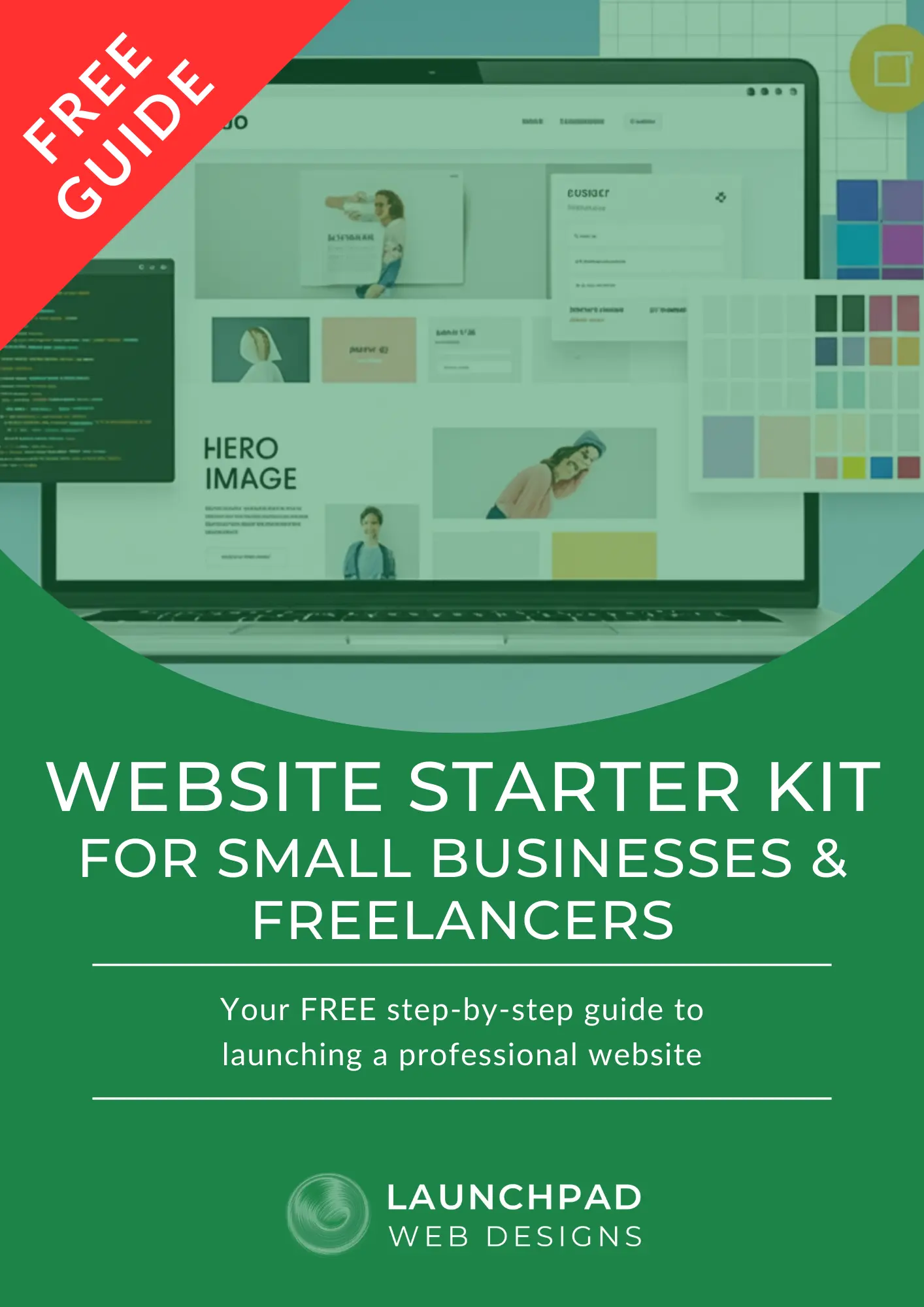
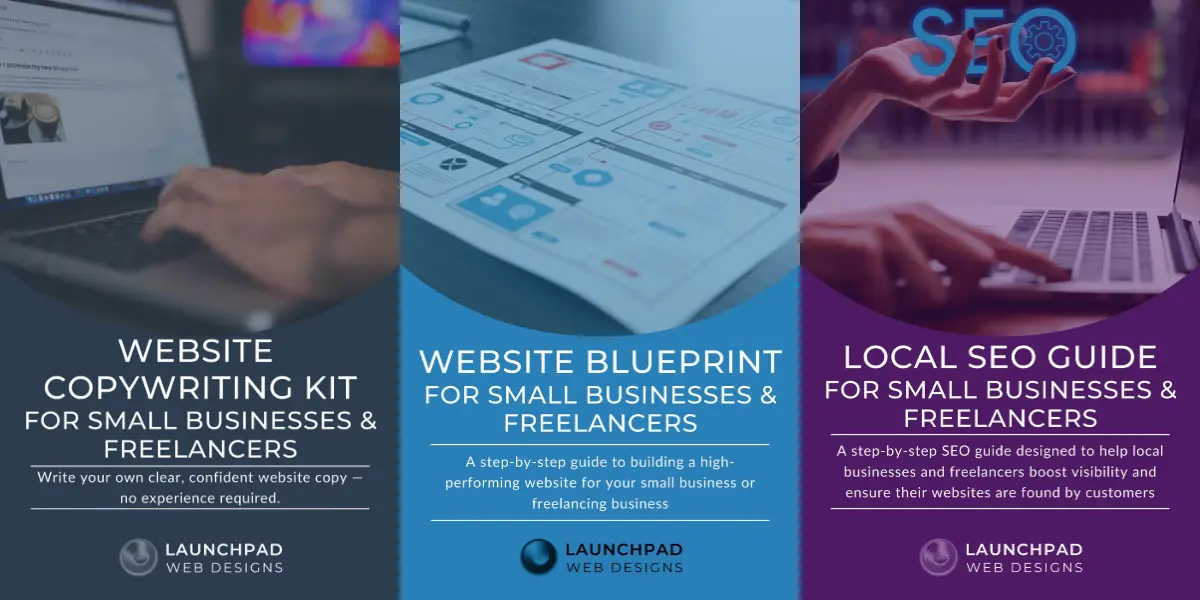
If you want a simple framework, this free resource walks through what to include and why: Free Website Starter Kit for Small Businesses & Freelancers
Common Mistakes Freelancers Make
- Waiting until they “feel ready” to launch
- Hiding their contact information
- Making the site about themselves instead of the client’s problem
- Never updating their content
A website doesn’t need to be perfect. It just needs to be useful.
Final Thought: It’s Not About Having a Website — It’s About Having a Home
Social platforms are like renting space.
A website is owning your address.
In 2026, freelancers who grow sustainably usually have one thing in common:
They’ve built a place online where their work, reputation, and client relationships can live — no matter what happens to the platforms around them.
If you’re thinking about building or improving your freelance website and want a clear, pressure-free starting point, you can explore how we help freelancers here: Freelancer Website Design Services
Or Contact Us if you’d rather ask questions first.
Frequently Asked Questions
Do freelancers really need a website if they already use social media?
In 2026, yes. Social platforms can help you get discovered, but a website builds trust, gives you control, and provides a stable place clients can verify your work and contact you.
Is a one-page website enough for a freelancer?
Often, yes. A one-page site can work if it clearly explains what you do, who you help, shows proof (samples or testimonials), and has a strong call-to-action.
What should a freelance website include?
At minimum: a clear headline, a short services section, proof (portfolio/testimonials), and an easy contact option. If you can add separate pages, include Home, About, Services, Portfolio, and Contact.
How does a website help with AI search in 2026?
AI tools prefer clear, structured information. A website gives them consistent content to reference—like service descriptions, FAQs, and contact details—so you’re more likely to be surfaced in recommendations.
Do freelancers need a blog?
Not always, but it helps. Even 2–4 simple posts that answer client questions can improve search visibility and build credibility over time.
What’s the fastest way to launch a freelance website?
Start small: secure your domain, publish a simple one-page site, and add pages over time. The goal is clarity and trust—not perfection on day one.
